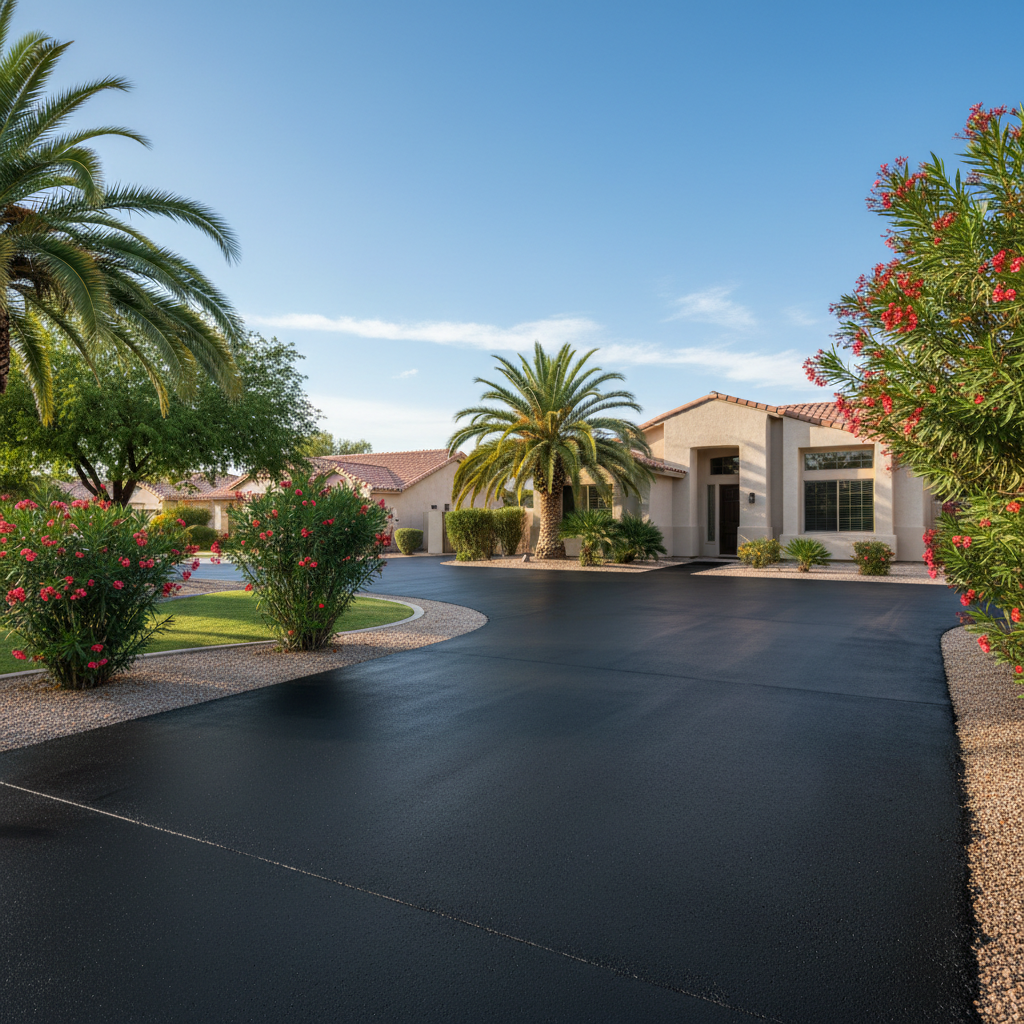
Thinking about sealcoating your asphalt driveway or parking lot here in Phoenix? Smart move. It's honestly one of the best things you can do to protect your investment. But here's the deal: timing isn't just a suggestion; it's absolutely crucial, especially with our wild Arizona weather. You can't just slap down sealcoat whenever you feel like it and expect it to last. I've seen too many folks throw money away because they didn't get how our local climate affects this kind of work.
When to Schedule Your Sealcoating in Phoenix
Okay, let's cut to the chase. The absolute best times to sealcoat asphalt in Phoenix are typically Spring and Fall. We're talking late February through May, and then again from late September through November. Why these specific windows? It all boils down to temperature and humidity. Sealcoat needs certain conditions to cure right, and our shoulder seasons usually hit that sweet spot perfectly.
- Spring (late Feb - May): The days are warm enough, usually in the 70s and 80s, but the ground isn't scorching hot yet. Nighttime temperatures generally stay above the minimum needed for proper curing, which is around 50°F. Plus, we're typically past the coldest winter nights and before the really intense summer heat kicks in.
- Fall (late Sept - Nov): It's a similar situation here. The brutal summer sun has eased up, and temperatures are dropping back into that ideal 70-80°F range. Humidity tends to be lower than in summer, which helps things dry. You really want to get it done before those truly cold winter nights show up, though.
What you're truly aiming for are consistent daytime temperatures between 70-90°F, with nighttime lows staying above 50°F for at least 24-48 hours after we apply it. That's the magic window for the material to bond and cure correctly.
Weather Conditions That Can Mess Things Up
Our Phoenix climate is a beast, no doubt about it. It throws a few curveballs when it comes to sealcoating. You've got to respect it, or your sealcoat simply won't last.
- Extreme Heat (June - early Sept): This is a definite no-go. When the pavement temperature hits 140°F or more – which it easily does in July and August – the sealcoat can dry too fast on the surface. That traps moisture underneath. The result? Cracking, peeling, and a much shorter lifespan. It's kind of like trying to bake a cake at 500 degrees; it'll burn on the outside and stay raw in the middle. Besides, working in that kind of heat is incredibly tough on my crew, and safety is always a top concern.
- Monsoon Season (July - Sept): Rain, obviously, is a problem. Sealcoat needs a good 24-48 hours to dry completely before it gets wet. Trying to schedule during monsoon season is like playing Russian roulette with the weather, isn't it? Even if it's clear when we start, a sudden afternoon thunderstorm can ruin a fresh application, washing it away or causing streaking. We're always checking the forecast, but those pop-up storms are tricky.
- Cold Temperatures (Dec - early Feb): If it's too cold, the sealcoat won't cure right. It'll stay soft, won't bond well to the asphalt, and will wear away quickly. We occasionally get nights in Phoenix where temperatures dip into the 30s, especially in places like Anthem or out towards Estrella Mountain Ranch. That's just too cold for a good sealcoat job.
- High Humidity: While not as common here as in other places, high humidity can really slow down the curing process. It's usually less of an issue for us than extreme heat or cold, but it's definitely something we keep in mind.
Protecting Your Investment Year-Round
Once your asphalt gets properly sealcoated by a team like Progressive Asphalt Solutions, you've done a huge part of the work. But it doesn't stop there. Here's how you keep it looking good and lasting a long time:
- Stay Off It: Give it the full cure time. I usually tell folks 24-48 hours for foot traffic, and at least 72 hours for vehicles. Rushing this is a surefire way to scuff, mar, or even peel your fresh sealcoat.
- Clean Up Spills Promptly: Oil, gas, and other automotive fluids are asphalt's worst enemy. They break down the binder in the asphalt and the sealcoat. Clean them up as soon as you spot them.
- Regular Cleaning: Sweep off dirt, debris, and leaves. This stops organic matter from breaking down on the surface and keeps the sealcoat looking fresh.
- Address Cracks Quickly: Even with sealcoat, cracks can form over time. Small cracks can turn into big potholes fast, especially with our intense sun and occasional heavy rains. Get them filled as soon as you notice them.
- Re-Sealcoat on Schedule: For most residential driveways, I recommend re-sealcoating every 2-3 years. For commercial parking lots with heavier traffic, it might be every 1-2 years. Don't wait until the old sealcoat is completely gone and the asphalt is starting to gray. Be proactive!
Look, sealcoating isn't just about making your asphalt look black and new again. It's about protecting it from the sun's UV rays, keeping water from getting in, and extending its life significantly. Doing it right, and at the right time, means your asphalt will stand up to our Phoenix sun and last for years to come. If you're unsure about the best time for your property, just give us a call. We're happy to walk you through it.