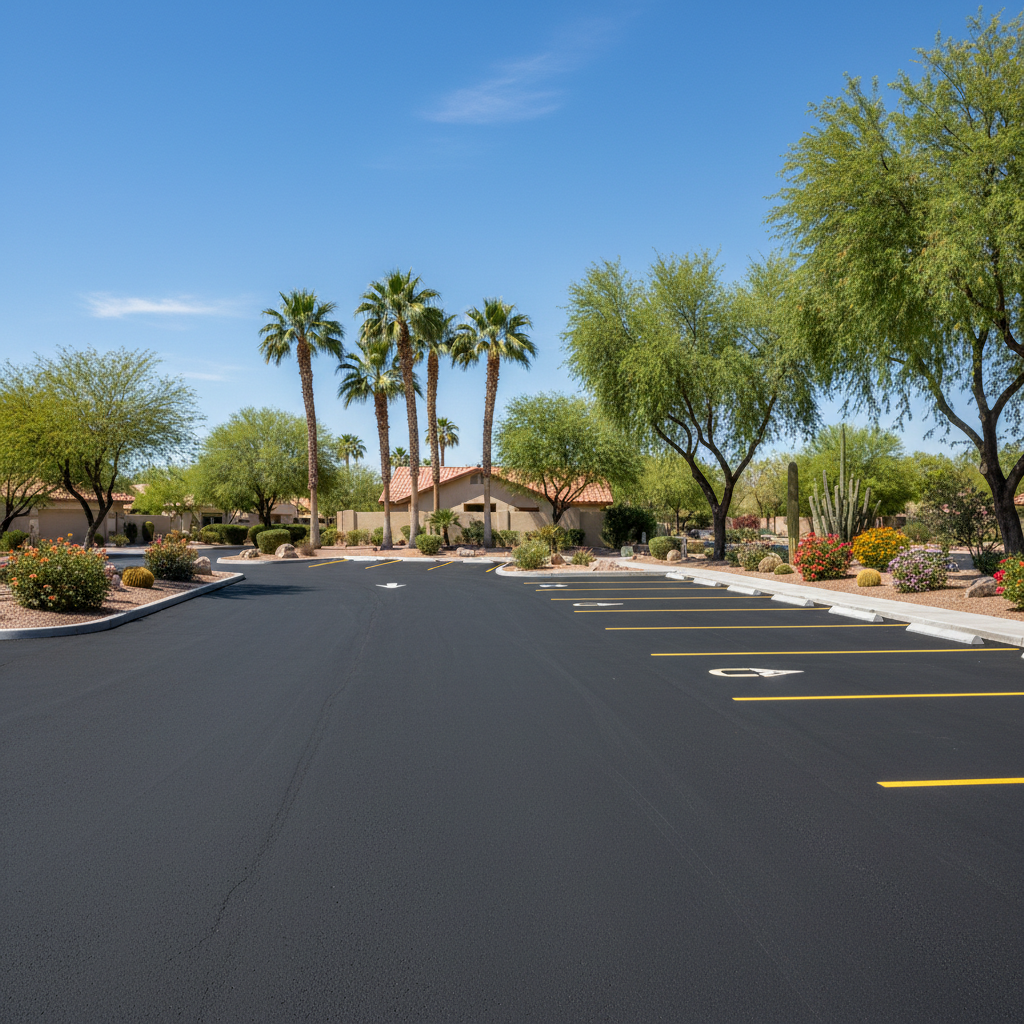
So, you're looking to pave a parking lot here in Phoenix. Maybe it's for your business, an apartment complex, or even a large residential property. It's a big investment, and you want it done right. I get it. Over the years, I've seen a lot of projects, good and bad, and I want to make sure yours is one of the good ones. This isn't just about laying down asphalt; it's about planning, preparation, and knowing what you're getting into.
Mapping Out Your Parking Lot Paving Timeline
Let's talk timeline, because this isn't a weekend DIY job. From the moment you decide you need a new parking lot to the day you're striping those fresh lines, you're looking at a process that can take a few weeks to a couple of months, sometimes even longer depending on the size and complexity. Here’s a rough breakdown:
- Initial Contact & Site Visit (1-2 weeks): You call us, we come out, take a look at your property, discuss your needs, and measure everything up. We'll talk about drainage, existing conditions, and what you're hoping to achieve.
- Proposal & Contract (1-2 weeks): We put together a detailed proposal for you. This covers the scope of work, materials, timeline, and cost. You review it, ask questions, and once you're comfortable, we sign a contract.
- Permitting (2-4 weeks, or more): This is often the biggest variable. Depending on your specific location in Phoenix, whether it's Glendale, Mesa, or right in the city, and the size of the project, you might need permits from the city or county. We can help guide you through this, but it takes time. Don't rush it; proper permits prevent headaches down the road.
- Scheduling & Material Procurement (1-2 weeks): Once permits are in hand, we schedule the work. We order materials like asphalt, aggregate, and any necessary drainage components.
- Construction (1-3 weeks, or more): This is where the magic happens. Demolition, grading, base preparation, asphalt laying, compaction, and finally, striping. The actual paving itself can be surprisingly quick, but all the prep work is crucial.
- Curing & Use (1-7 days): After the asphalt is laid, it needs time to cool and cure before heavy traffic. We'll advise you on when it's safe to open it up fully.
Keep in mind, Phoenix summers can throw a wrench in things. While we work year-round, extreme heat can sometimes affect scheduling or require adjustments to ensure proper asphalt application and curing. We plan for that, but it's something to be aware of.
What to Expect During the Process
Alright, so you've signed the contract, permits are approved, and we're ready to roll. What's it actually going to look like on your property?
- Noise and Dust: There’s no getting around it. We'll be using heavy machinery – excavators, graders, pavers, rollers. It's going to be loud, and there will be dust, especially during demolition and grading. We do our best to minimize disruption, but it's part of the job.
- Restricted Access: For safety and efficiency, we'll need to block off sections of your property. This means temporary parking changes, rerouting traffic, or even full closures for a period. We'll work with you to plan this out and minimize impact on your business or residents.
- Equipment Everywhere: You'll see trucks, pavers, rollers, and piles of material. Our crew will be on-site, working hard. We maintain a clean and safe work environment, but it will look like a construction zone.
- Daily Communication: My team and I believe in keeping you in the loop. We'll discuss daily progress, any unforeseen issues, and what to expect for the next day. You won't be left wondering what's happening.
How to Prepare Your Property
Before we even show up, there are a few things you can do to make the process smoother for everyone:
- Clear the Area: Remove anything from the parking lot area that isn't permanent. Cars, dumpsters, planters, temporary signage – get it out of the way.
- Notify Stakeholders: If it's a business, let your customers know about the upcoming work and any temporary access changes. If it's an apartment complex, inform residents well in advance. Clear communication prevents frustration.
- Mark Utilities: While we'll do our due diligence, it's always helpful if you can point out any known underground utilities, sprinkler lines, or shallow electrical conduits.
- Plan for Access: Think about how people will access your building or property during the work. Do you need temporary pathways? Alternative entrances?
Crucial Questions to Ask Before Signing That Contract
This is where you protect your investment. Don't be afraid to ask tough questions. Any reputable contractor, like us at Progressive Asphalt Solutions, will welcome them.