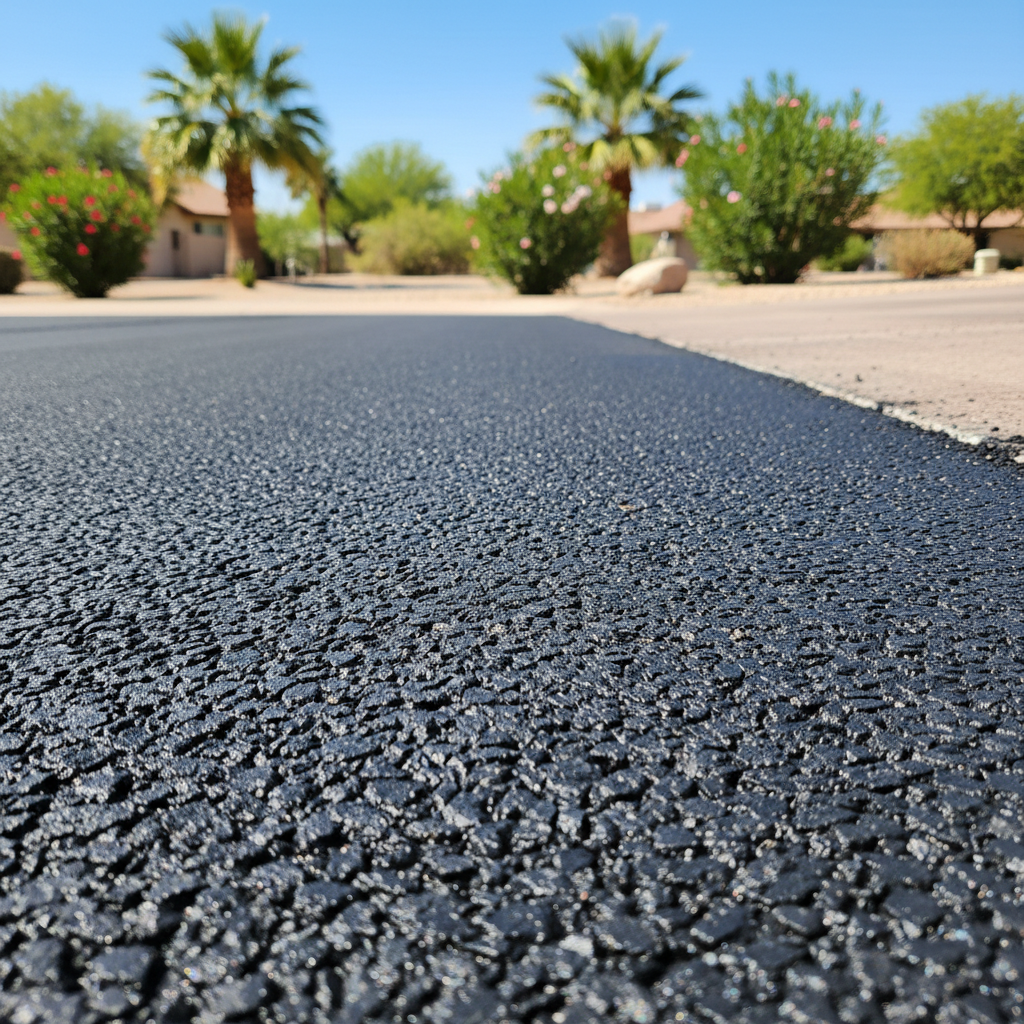
Your asphalt driveway really takes a beating out here in Phoenix, doesn't it? Between that relentless summer sun, baking it to over 150 degrees, and those sudden monsoon downpours, it's no wonder you start seeing cracks and potholes. I've seen it countless times, folks trying to patch things up themselves, and sometimes it works, sometimes it doesn't. So, let's talk about what you can realistically do on your own and when you absolutely need to pick up the phone.
Before You Grab That Bucket of Cold Patch
First off, you need to understand what kind of damage you're actually dealing with. Not all cracks are created equal, and neither are all potholes. A small, thin crack, maybe a quarter-inch wide, is a lot different from an alligator-cracked section that looks like a dried-up riverbed, you know?
- Surface Cracks: These are usually hairline or thin cracks, often caused by the asphalt drying out and shrinking. They're mostly cosmetic but can let water in if you ignore them.
- Alligator Cracking: This is a network of interconnected cracks that really do look like alligator scales. It means the base layer underneath is failing, and water has probably gotten in and softened things up. This isn't a DIY job, plain and simple.
- Potholes: These are depressions or holes in the asphalt, usually formed when water seeps into cracks, freezes (not often here, but it happens up north!), expands, and then traffic breaks away the weakened asphalt. Here in Phoenix, it's more about the water weakening the base and the heat making the asphalt brittle.
- Raveling: This is when the aggregate (the small stones) starts coming loose from the asphalt binder. It makes the surface rough and can lead to bigger problems down the line.
Before you do anything, clean the area thoroughly. Sweep out all loose debris, dirt, and gravel. A leaf blower works great for this. If you're dealing with a pothole, you might even need a chisel and hammer to square up the edges and remove any loose chunks of asphalt. You want a clean, solid surface for your patch material to bond to, right?
What You Can Likely Fix Yourself
For small, isolated cracks (up to about a half-inch wide) and very shallow potholes, you can usually tackle these yourself with some cold patch asphalt or crack filler. You'll find these at most hardware stores.
- Crack Filler: For those thin cracks, a pourable crack filler is your friend. Make sure the crack is clean and dry. Just squeeze it into the crack, slightly overfilling it, and then use a squeegee or trowel to level it off. Some products recommend sand over the top to prevent tracking. Always read the instructions on the specific product you buy.
- Cold Patch Asphalt: This stuff comes in a bag or a bucket and is designed for potholes and larger cracks. It's basically asphalt aggregate mixed with a liquid binder that cures when exposed to air. For a pothole, you'll want to fill it in layers, compacting each layer. You can use a hand tamper, a heavy piece of wood, or even drive over it with your car tire slowly. You want the patch to be slightly mounded above the surrounding pavement, as it will settle a bit.
The key to success with DIY repairs is compaction. You've got to really pack that cold patch down tight. If you don't, it'll just break apart and come out with the first good rain or heavy traffic. Also, make sure the area is completely dry before you start. Trying to patch wet asphalt is like trying to nail Jell-O to a tree – it just won't work.
When to Call Progressive Asphalt Solutions (or another Pro)
Look, I'm all for saving a buck, but some jobs are just too big or too complex for a homeowner. Trying to DIY these can actually cost you more in the long run.
- Alligator Cracking: As I mentioned, this means a base issue. You can patch the surface all day long, but until that base is addressed, those cracks will just keep coming back. We're talking about excavating, rebuilding the base, and then laying new asphalt. That's heavy equipment and expertise you just don't have in your garage.
- Large Potholes or Multiple Potholes: If you've got a pothole that's deeper than a few inches or wider than a dinner plate, or if your driveway looks like Swiss cheese, it's time for a pro. We have hot mix asphalt, which is far superior to cold patch for durability and longevity. We also have the right compaction equipment to make sure the repair lasts.
- Extensive Raveling: If your driveway is crumbling all over, a simple patch won't cut it. You might need a complete resurfacing or even a full replacement.
- Drainage Issues: Sometimes, the problem isn't just the asphalt; it's how water is draining (or not draining) from your property. If water pools on your driveway, especially near your house, that's a bigger problem than a simple crack. We can assess the grading and recommend solutions that prevent future damage. I've seen plenty of homes in the Arcadia area where poor drainage has wreaked havoc on driveways.
- When You Don't Have the Time or Patience: Let's be honest, sometimes you just want it done right without the hassle. That's why we're here.
A good rule of thumb: if the damage is widespread, deep, or recurring, it's probably beyond a DIY fix. You want a repair that's going to hold up to our Phoenix climate, and often, that means bringing in the pros. We've got the specialized equipment, the right materials, and the experience to make sure your asphalt lasts. Don't hesitate to give Progressive Asphalt Solutions a call if you're unsure. We're happy to take a look and give you an honest assessment.
After the Repair: Keep an Eye On It
Whether you DIY'd it or had us do the work, keep an eye on your asphalt. Our sun is brutal, and regular sealing every few years can really extend the life of your driveway. It helps protect it from UV rays, water penetration, and even oil spills. Small cracks can turn into big ones fast if you ignore them, especially with the ground movement we sometimes get from our expansive clay soils.